
Understanding the psychological tricks casinos use to influence your decisions
The Illusion of Control
One of the most intriguing psychological tricks that casinos employ is the illusion of control. This tactic plays on players’ beliefs that they can influence the outcomes of games, especially in situations like dice games or slot machines. By allowing players to make choices, such as pulling a lever or rolling a die, casinos create a false sense of agency. Gamblers often believe that their actions can sway the results, leading to increased participation and prolonged play. As more players engage in these scenarios, they might even be tempted to try platforms like excitewin casino, which offer diverse gaming options.
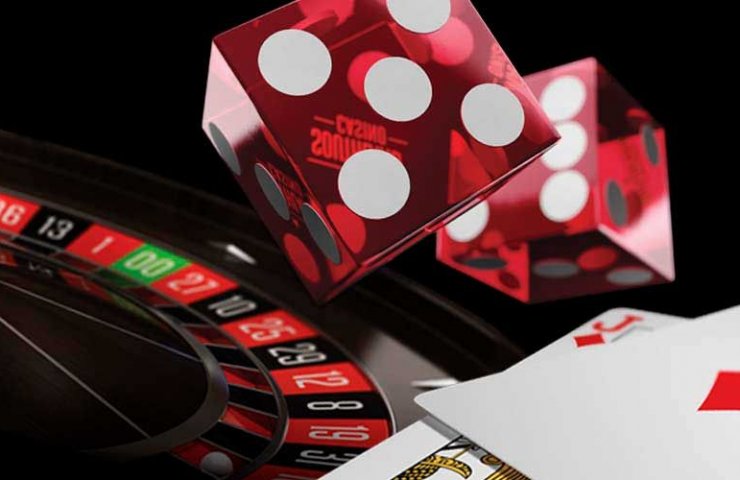
This feeling of control can be particularly potent in games like poker, where players might think their skill and strategies can significantly affect their winnings. In reality, the odds are heavily stacked in favor of the house, yet the illusion keeps players engaged. By creating scenarios where players feel their decisions matter, casinos can effectively prolong gaming sessions and increase revenue.
Furthermore, the illusion of control is often enhanced by the presence of other players and the competitive atmosphere of casinos. When individuals see others win, they may be more likely to think they can replicate that success. This social proof further entices players to gamble more, convinced that they hold the reins to their fortune, even in games governed by chance.
The Power of Loss Aversion
Loss aversion is a psychological principle indicating that people experience losses more intensely than gains of the same magnitude. Casinos utilize this concept by designing games and environments that amplify the fear of losing. For example, when players lose a bet, they may feel a much stronger emotional response than when they win an equivalent amount. This can lead to a cycle of chasing losses, where players continue to gamble in hopes of recouping their losses, often resulting in even greater financial commitment.
Casinos cleverly incorporate this principle by providing frequent small wins amidst larger losses. This strategy creates a perception of winning, even if the overall outcome is negative. By giving players the false impression that they are consistently on the verge of winning, casinos encourage them to stay longer and spend more. The design of games often includes frequent, small payouts, which can keep players engaged despite the fact that they are losing money overall.
The layout of casinos further emphasizes loss aversion. With bright lights, attractive sounds, and celebratory themes surrounding wins, players may feel more compelled to keep playing to avoid losing the high they feel from any winnings. This can create a powerful emotional cycle that casinos strategically exploit to maximize their profits.
Use of Reinforcement Schedules
Casinos often employ reinforcement schedules, a concept rooted in behavioral psychology. This strategy involves rewarding players at unpredictable intervals, which can lead to addictive behaviors. Slot machines are a prime example, as their random payouts can create a sense of anticipation that is hard to resist. When players win sporadically, they are likely to develop a habit of playing, hoping for that next big win.
This unpredictability is crucial; it keeps players guessing and engaged. The excitement of not knowing when the next payout will occur can lead to prolonged gaming sessions. Studies show that variable reinforcement schedules can create stronger behavioral responses than fixed schedules, which is why casinos favor this method. Players become fixated on the idea of winning, often disregarding the odds against them.
Additionally, the use of loyalty programs can further reinforce this behavior. Players who frequent casinos may receive rewards, bonuses, or points that can be exchanged for future play. This fosters a connection between continued gambling and potential rewards, creating a cycle where players feel compelled to return and keep playing. As they accumulate points or benefits, they may ignore their overall losses, focusing solely on the next reward.
The Role of Environment and Atmosphere
The environment in which gambling takes place significantly influences player behavior. Casinos are designed with carefully crafted ambiances that stimulate excitement and keep players engaged. From the vibrant colors and intricate designs of slot machines to the energetic sounds of winning, every aspect of a casino is intentional. This sensory overload creates a thrilling atmosphere that entices players to stay longer and gamble more.
Moreover, casinos often utilize music and lighting to influence mood and perception. Upbeat music can enhance feelings of excitement, making players feel more enthusiastic about their chances of winning. Similarly, the lighting is strategically manipulated to create a sense of euphoria when players win. All of these elements work in tandem to create a captivating environment where players lose track of time and money.
The absence of clocks and windows in many casinos further contributes to this immersive experience. By eliminating natural time cues, players can easily lose track of how long they have been gambling. This disorientation can lead to longer gaming sessions, as players remain unaware of their spending. The design of the casino is a psychological strategy to maximize engagement and, ultimately, profits.

ExciteWin Casino: A Gaming Experience that Prioritizes You
ExciteWin Casino exemplifies how modern gaming platforms incorporate these psychological tricks while also prioritizing user satisfaction and responsible gaming. Offering a wide variety of games, including slots and live dealer options, ExciteWin ensures that players have access to an engaging gaming experience tailored to their preferences. With a generous welcome bonus and ongoing challenges, players are motivated to explore more without overwhelming pressure.
The platform also emphasizes transparency in payment options and a commitment to responsible gaming. ExciteWin provides tools for players to manage their spending and gameplay, promoting a healthier gambling experience. This balance between entertainment and responsibility is crucial, especially in an industry that thrives on psychological engagement.
By understanding the psychological tricks that casinos use and recognizing platforms like ExciteWin that prioritize user well-being, players can make informed decisions. Engaging in gaming can be enjoyable and thrilling, but awareness of the underlying strategies can help players navigate their experiences responsibly and maximize their enjoyment.
