
The psychology behind risk-taking in gambling behavior
The Nature of Risk-Taking in Gambling
Risk-taking in gambling is a complex behavior driven by various psychological factors. At its core, the thrill of uncertainty plays a significant role in attracting individuals to gamble. This unpredictability provides a rush of excitement that can be both exhilarating and addictive. The anticipation of winning against the odds can evoke strong emotional responses, making risk-taking a compelling experience for many gamblers. Many players also seek environments that support their preferred methods, such as a neosurf deposit casino, which offers privacy and efficiency while making wagers.
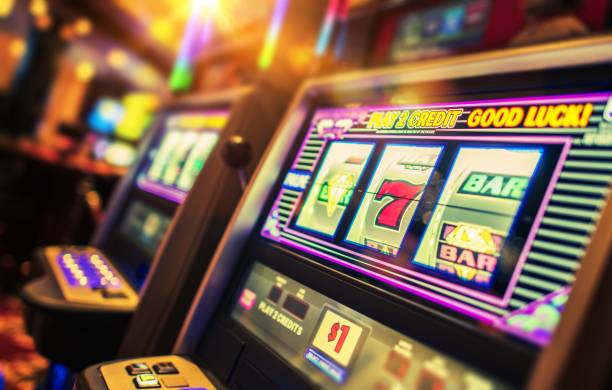
Moreover, the inherent nature of gambling often involves a calculated risk. Players weigh the potential rewards against their likelihood of success. This cognitive process allows for a sense of control, even in a predominantly chance-based activity. Gamblers may use strategies or heuristics to justify their decisions, which can further intensify their engagement in risk-taking behavior.
The motivations that drive individuals to gamble vary widely and can be deeply rooted in psychological needs. For some, gambling serves as an escape from reality, providing a temporary relief from stress or personal issues. This escapism can lead individuals to take risks they might otherwise avoid in their daily lives, as the allure of winning can overshadow the potential for loss.
Additionally, social influences play a crucial role in gambling behavior. Many people are drawn to gambling environments due to peer pressure or the desire for social interaction. This communal aspect can heighten risk-taking tendencies, as the presence of others can diminish perceived risks and amplify the excitement associated with gambling activities.
The Role of Cognitive Biases
Cognitive biases significantly affect how individuals perceive risk in gambling contexts. One prevalent bias is the illusion of control, where gamblers believe they can influence the outcome of games based on their skills or strategies. This misconception can lead to increased risk-taking, as players feel empowered to make bolder decisions, often disregarding the actual odds.
Another common cognitive bias in gambling is the gambler’s fallacy, where individuals mistakenly believe that past outcomes influence future events. For example, a player may continue to gamble after experiencing losses, convinced that a win is « due. » Such biases create a distorted perception of risk, resulting in behavior that prioritizes the potential for reward over rational analysis of probabilities.
The Impact of Emotions on Decision-Making
Emotions profoundly influence gambling decisions and risk-taking behavior. Heightened emotions, whether stemming from excitement or frustration, can lead to impulsive choices. When a gambler is in a highly emotional state, they may chase losses or take risks that are not aligned with their rational decision-making process, often resulting in unfavorable outcomes.
The relationship between emotions and gambling is cyclical; a win can create positive emotions that encourage further risk-taking, while a loss can lead to desperation and reckless behavior. Understanding this emotional landscape is crucial in addressing harmful gambling habits and promoting responsible gaming practices.

Comprehensive Resources for Responsible Gambling
For those interested in exploring the world of gambling while maintaining a focus on responsible behavior, there are numerous resources available. Comprehensive guides can provide insights into best practices for risk management and strategies for safe gambling experiences. Understanding the psychology behind risk-taking can empower players to make informed decisions, ensuring that gambling remains an enjoyable form of entertainment rather than a source of distress.
By utilizing resources that emphasize responsible gaming, players can navigate the complexities of gambling behavior with greater awareness. Whether through educational materials or support systems, these tools can help individuals balance the thrill of risk with the importance of maintaining control over their gambling habits.
« `
